The Benefits of Welding Examination for Boosted Safety and Performance
Welding examinations are crucial for making certain that structures satisfy rigid sector criteria. They play an important function in determining flaws early, consequently improving safety and security and lowering the danger of disastrous failures. In addition, these assessments can result in significant cost savings by preventing costly fixings and downtime. As companies aim for better efficiency and reliability, the significance of a durable evaluation process can not be overstated. What other advantages might emerge from a commitment to detailed welding evaluations?
Ensuring Conformity With Industry Standards
Assuring conformity with sector requirements is necessary for maintaining top quality and safety and security in welding projects. Complying with established procedures not just shields workers yet likewise enhances the toughness and efficiency of the last product. Welding inspections carried out at different stages of the procedure assistance recognize any type of variances from these standards, making it possible for timely corrective activities. This proactive strategy alleviates the threat of failings that could arise from second-rate handiwork.
Compliance with sector requirements promotes trust amongst stakeholders, including customers, governing bodies, and the workforce. It indicates a commitment to quality and liable methods, which can bring about raised organization opportunities and a competitive edge on the market - API 650 Welding Inspection. Routine examinations likewise ensure that materials and strategies used straighten with the most recent technical innovations and safety guidelines. Ultimately, adherence to sector standards is not merely a governing demand however a keystone of quality control in welding projects
Enhancing Safety With Very Early Detection of Flaws
While the key objective of welding evaluations often fixates compliance, they play a vital function in enhancing safety by enabling the very early detection of defects. Recognizing concerns such as insufficient fusion, splits, or porosity during evaluations can greatly mitigate the danger of catastrophic failings. Early discovery permits timely interventions, making certain that malfunctioning welds do not endanger structural honesty.
In addition, systematic evaluations foster a society of safety and security within organizations by emphasizing the importance of quality control. This aggressive technique not just protects workers but likewise safeguards the surrounding environment. Routine examinations can disclose patterns in flaw occurrence, enabling modifications in welding techniques and training programs to deal with underlying issues.
Welding examinations offer as a crucial guard, bolstering general security and performance by recognizing defects before they intensify into serious risks. This dedication to high quality directly contributes to the durability and integrity of welded structures.
Minimizing Expenses by Avoiding Failures
By implementing detailed welding evaluations, companies can properly lower expenses related to failings and rework. The aggressive identification of defects throughout the welding process lessens the threat of tragic failings that can lead to expensive repair work or replacements. Early detection enables prompt treatments, which protects against the acceleration of minor concerns right into significant troubles that stress resources and budgets. Additionally, by ensuring that welds their explanation satisfy defined requirements, organizations can prevent delays in task timelines brought on by the need for comprehensive rework or additional inspections later at the same time. This not only saves money yet also boosts functional performance. An online reputation for high quality workmanship can lead to enhanced customer satisfaction and repeat company, additional adding to monetary security. Overall, buying welding inspections is a strategic method that fosters expense financial savings while securing the integrity of welded structures.
Improving Efficiency and Long Life of Frameworks
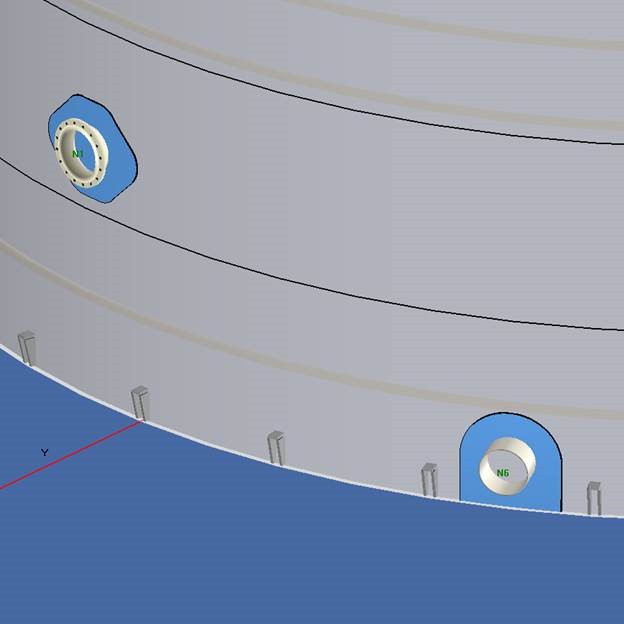

Welding examinations play a crucial function in enhancing the efficiency and long life of structures, as they validate that welds are performed to the greatest standards. By determining problems early in the welding process, evaluations prevent weak points that can compromise architectural stability. This positive method assurances that the materials made use of the original source meet required specs, thereby optimizing their load-bearing capability and strength.
Additionally, constant monitoring of welding methods adds to the overall high quality of building and construction jobs. When welds are confirmed for compliance with industry requirements, the possibility for fatigue and failing over time is greatly decreased. Structures that are built with properly checked welds are likely to experience less maintenance concerns and enhanced toughness.
Eventually, rigorous welding inspections not just strengthen the instant performance of a framework however also extend its operational life-span, offering long-lasting worth to both contractors and end-users alike.
Cultivating a Society of High Quality and Reliability
A commitment to high quality and reliability in welding techniques considerably contributes to the overall success of construction jobs. When companies prioritize these worths, they foster a culture that urges meticulous focus to detail and adherence to industry requirements. This culture not just boosts the ability level of welders however additionally promotes responsibility and teamwork among all stakeholders associated with the task.

Routine welding evaluations work as a keystone in this cultural change, reinforcing the relevance of regular efficiency and security steps (API 650 Welding Inspection). By implementing rigorous evaluation procedures, firms can recognize possible problems early, mitigating dangers and avoiding pricey rework. Moreover, a concentrate on quality and reliability instills self-confidence among clients and companions, causing more powerful connections and improved online reputations
Eventually, fostering a society of quality and dependability in welding methods not only raises task results but also ensures lasting sustainability and success in the building and construction sector.
Regularly Asked Questions
What Qualifications Should a Welding Inspector Have?
A welding examiner this must have pertinent certifications, such as AWS CWI or CSWIP. Furthermore, they need to have experience in metallurgy, welding procedures, and evaluation strategies, along with solid logical abilities and interest to detail for effective analyses.

How Frequently Should Welding Inspections Be Conducted?
Welding assessments should be conducted on a regular basis, preferably after each significant phase of the welding process. Additionally, regular examinations should occur based on task needs, solution problems, and regulatory requirements to guarantee recurring top quality and security.
What Tools Are Made Use Of Throughout Welding Inspections?
Welding examinations make use of different tools, consisting of ultrasonic testers, magnetic particle testers, visual evaluation tools, and radiographic devices. Each tool serves a certain function, making certain weld top quality and structural stability with thorough evaluation and evaluation.
Can Welding Inspections Be Carried Out From Another Location?
Welding inspections can undoubtedly be performed remotely using innovative modern technologies such as drones and specialized video cameras. These devices make it possible for assessors to evaluate welding high quality and honesty from a range, improving effectiveness and security in various atmospheres.
What Are the Typical Kinds Of Welding Problems?
Usual kinds of welding issues include porosity, cracks, incomplete blend, undercutting, and slag inclusion. These flaws can compromise the stability and stamina of welds, resulting in potential failings in structural applications if not attended to correctly.
Welding inspections are essential for guaranteeing that frameworks fulfill rigorous market criteria. Welding examinations performed at different phases of the procedure assistance determine any type of inconsistencies from these standards, enabling timely restorative actions. Welding assessments play a necessary role in enhancing the performance and durability of structures, as they verify that welds are performed to the greatest criteria. Welding evaluations should be carried out frequently, ideally after each considerable phase of the welding process. API 650 Welding Inspection. Welding inspections make use of various tools, including ultrasonic testers, magnetic fragment testers, visual assessment tools, and radiographic devices